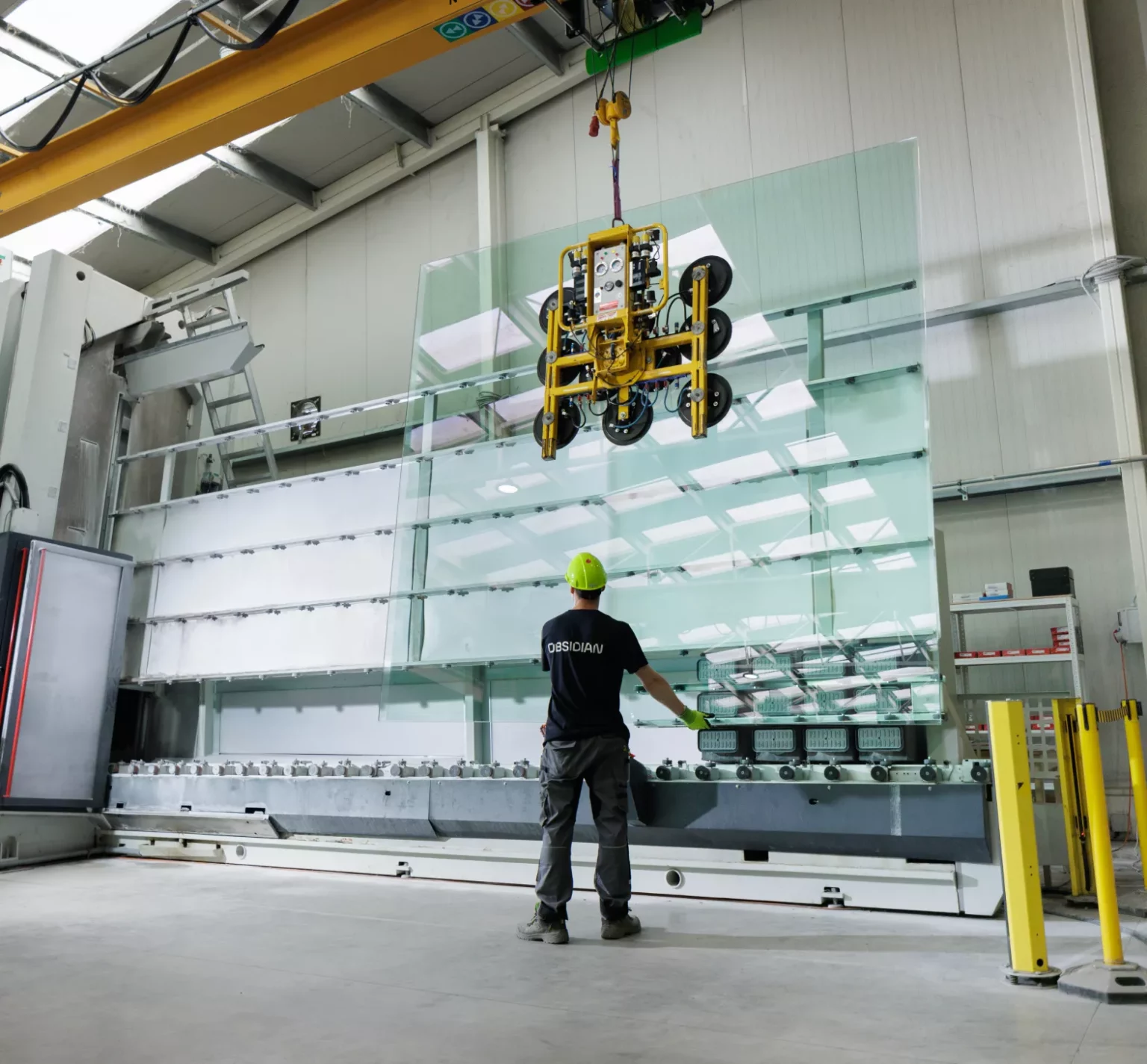
Windows for modern architecture. Trends for 2026 and beyond
Frameless glazing, quadruple glazing, aluminum, and ever-larger glass surfaces. Take a look at the technologies and trends that are transforming modern architecture in 2026 and will continue to influence it in the years to come.
A window has long ceased to be just a filling for a structural opening. In modern architecture, it becomes a full-fledged part of the building's design - influencing its appearance, energy efficiency, lighting comfort, acoustics, and the way the interior communicates with the surroundings.
The year 2026 is accelerating this development even further. Large-format glazing, subtler structures, quadruple glazing, sustainable materials, and above all, a comprehensive approach to the entire project are coming to the forefront.
These are not single-season trends. This is the direction that windows and architectural glazing will take in the coming years.
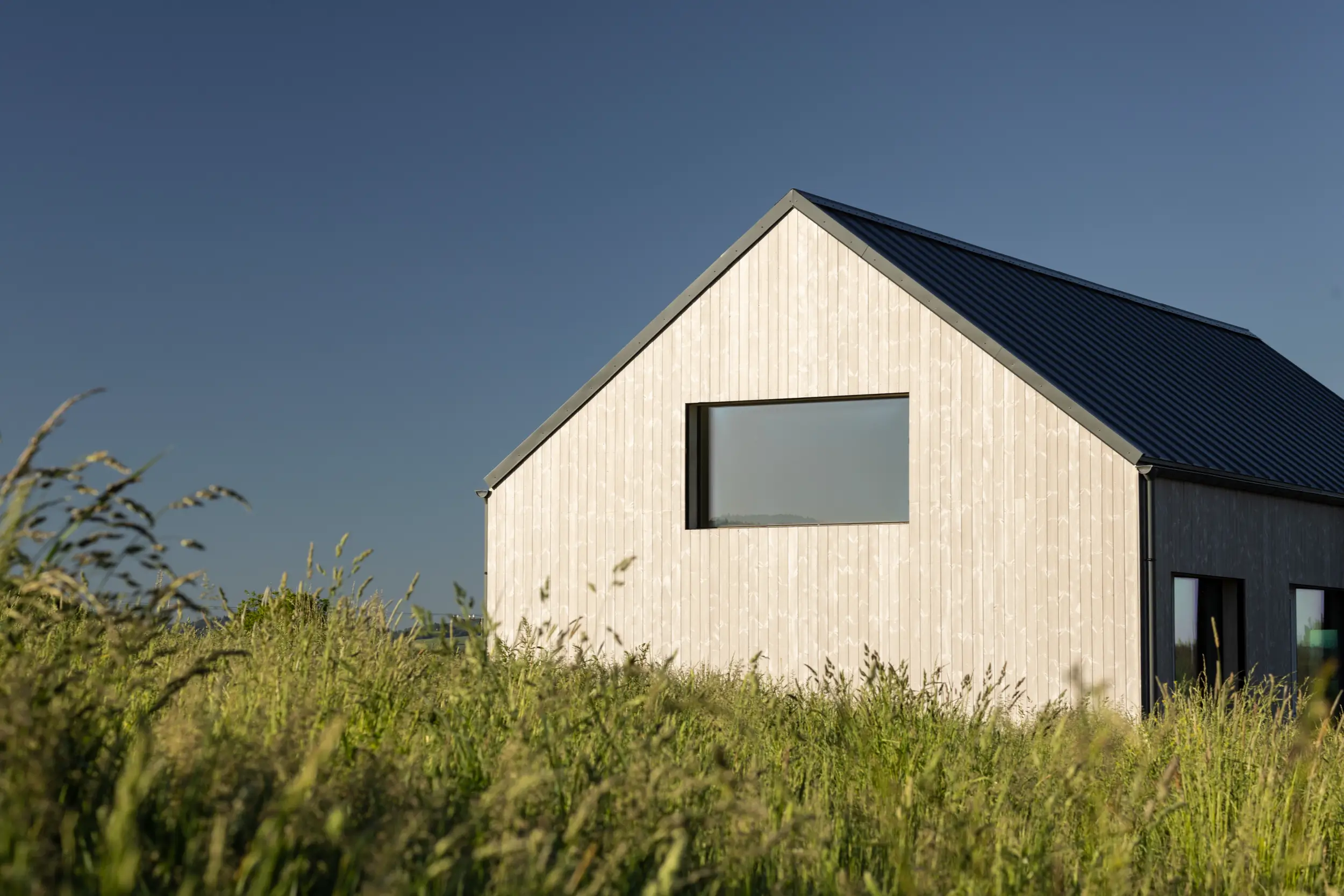
1. Less frame, more architecture
The desire for a maximum connection between interior and exterior continues. Frames are receding, glass areas are growing, and technical elements are increasingly concealed within the building structure.
However, frameless glazing is not just a matter of aesthetics.
With growing glass dimensions, demands on statics, manufacturing precision, anchoring methods, thermal expansion, thermal engineering, and installation itself are also increasing.
The future, therefore, does not belong to "larger windows" alone. It belongs to technically sophisticated large-format systems, where glass is understood as an integral part of architecture from the very beginning.
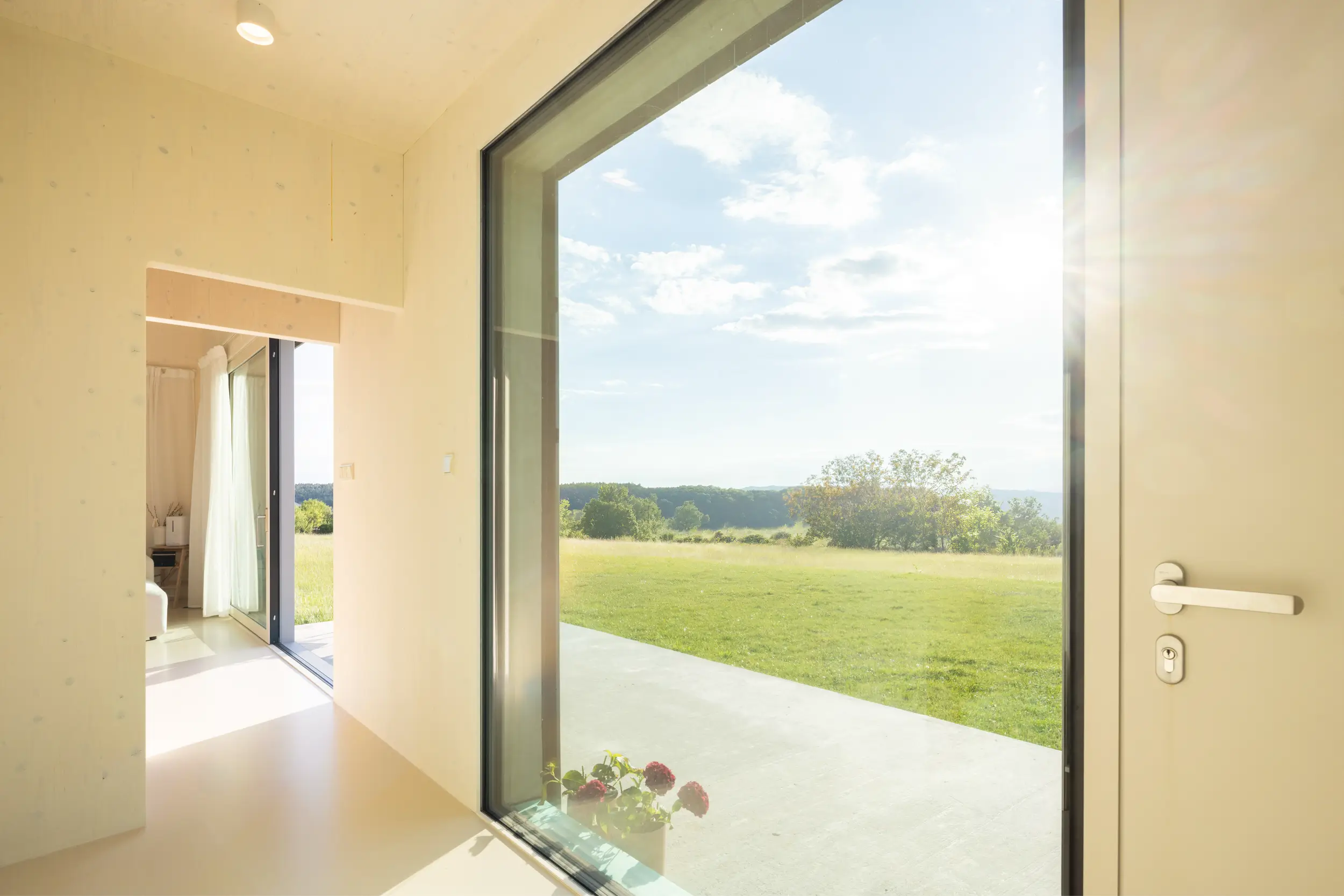
2. Quadruple glazing expands the possibilities of large glazed areas
Historically, a large glass area has always been a compromise between architecture and thermal engineering.
Modern insulating glass is fundamentally changing this relationship.
While high-quality triple glazing values hover around Ug 0.5–0.6 W/m²K, quadruple glazing can achieve values around Ug 0.3 W/m²K.
The result is not only lower heat loss. The higher surface temperature of the inner pane also means greater thermal comfort in the immediate vicinity of the glazing.
This changes how the entire interior can be designed.
Large-format glazing no longer has to be an element from which furniture or living areas must be kept away. Glass can become a natural part of the living space.
Indeed, the combination of large formats and ever-improving insulating properties will be one of the key directions in the coming years.
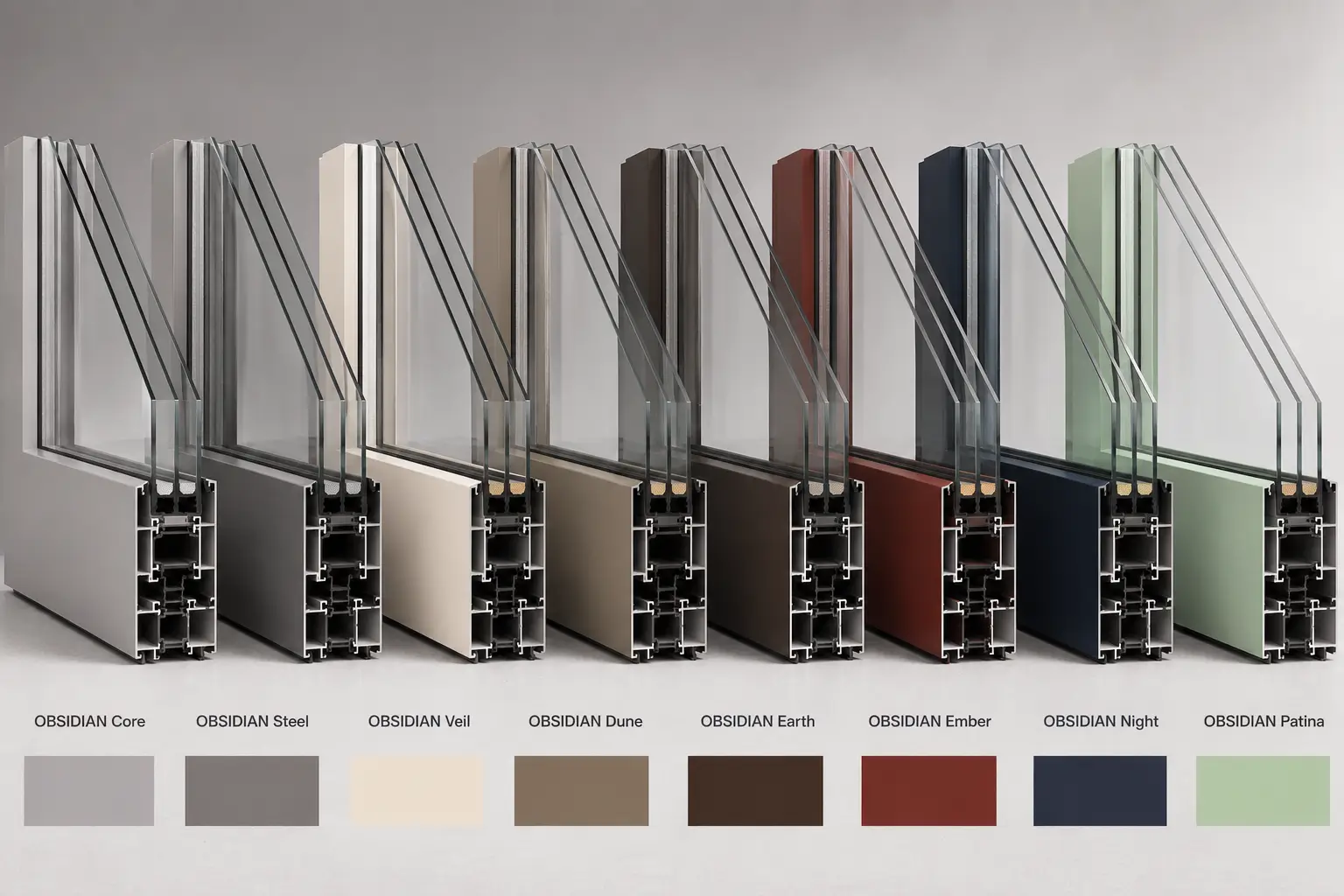
3. Aluminium as a material for long-lasting architecture
Another prominent direction is the emphasis on durability.
Minimalist architecture requires structures that can maintain precision, strength, and clean detailing over the long term. This is why aluminium remains one of the key materials for modern window and facade systems.
It is strong, dimensionally stable, and allows for the creation of subtle profiles as well as large glazed structures.
Furthermore, for modern homes, the initial purchase price is increasingly less of a focus. What will be more important is the entire product life cycle - its lifespan, maintenance requirements, energy efficiency, and the potential for material recycling.
The window of the future will therefore not only look good upon building completion. It must perform well even after decades.
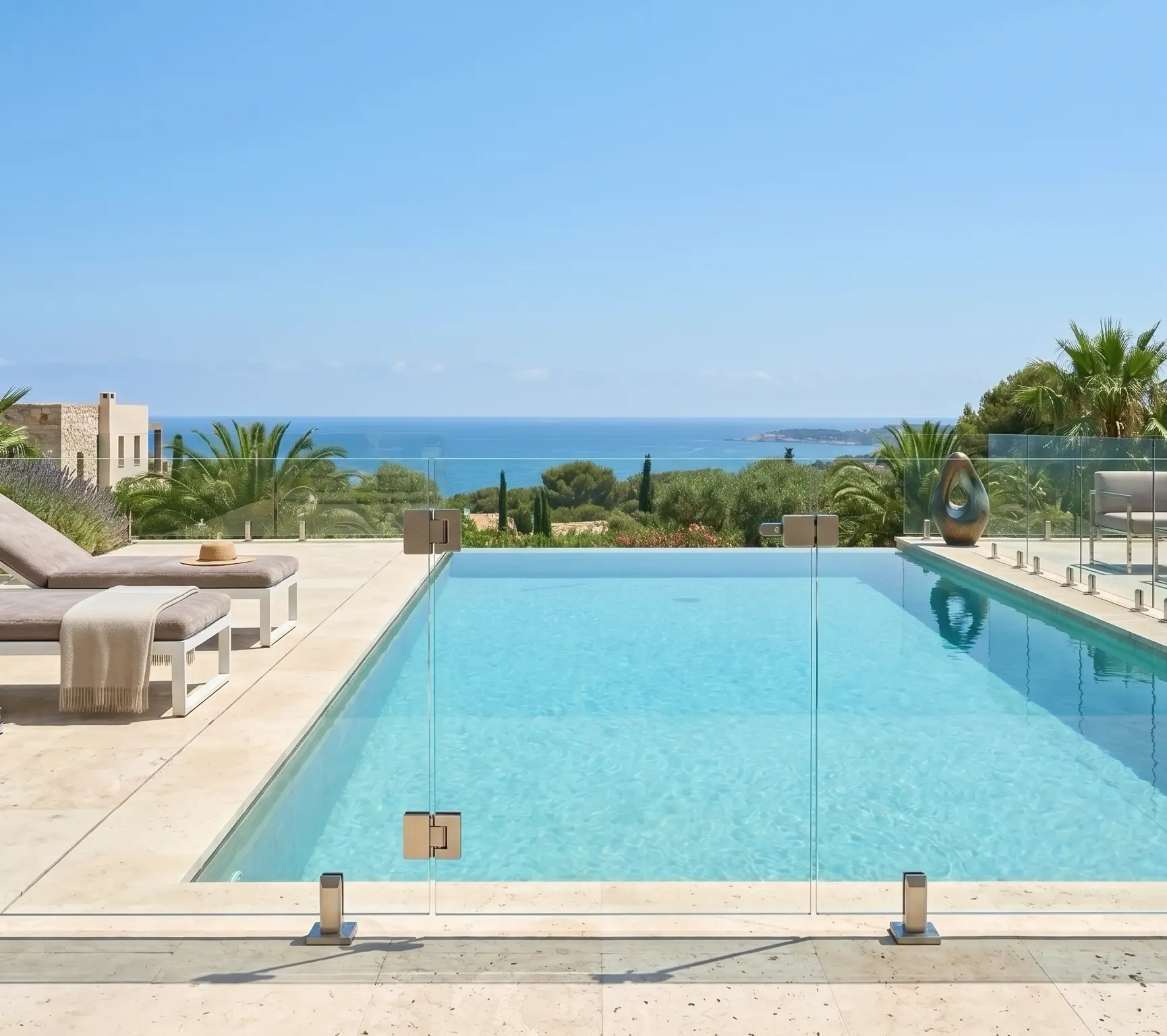
4. Glass moves from the facade to the entire interior
Glass is no longer just a material for the external envelope.
The same visual language that architects use on the facade increasingly continues inside the building as well.
All-glass partitions allow for the separation of individual functional zones without losing light. Glass balustrades maintain the openness of the space, and glass floors can bring daylight even to areas that would otherwise remain dark.
As a result, the facade and interior are no longer designed as two separate worlds.
They are connected by one material, one visual language, and one technical concept.
5. Safety will be an increasingly important part of design
The greater the role glass plays in architecture, the more crucial the correct design of its composition becomes.
For balustrades, floors, walkable surfaces, or large-format structures, selecting glass based purely on appearance is not enough.
It is necessary to address its static load, the composition of individual layers, anchoring methods, safety in case of breakage, and the specific way of use.
The glass of the future is therefore not just larger and more transparent.
Above all, it is precisely engineered for a specific location and a specific function.
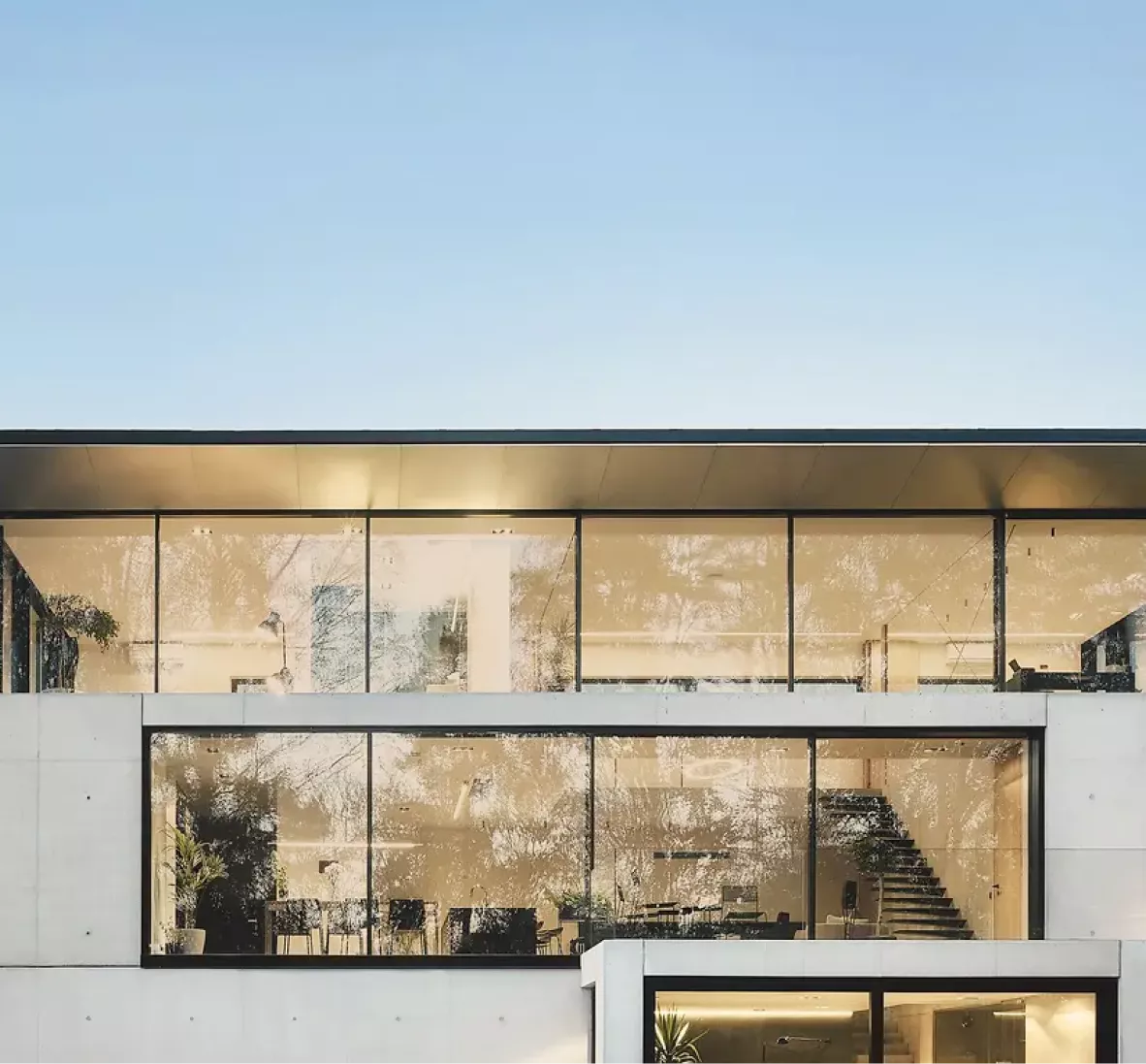
6. From individual products to a comprehensive system
Perhaps the biggest change in the coming years will not be a new type of profile or another tenth decimal point in the U-value.
It will be the way of thinking about the entire project.
Windows, facades, sliding systems, balustrades, partitions, or glass floors are technically and visually interrelated. If each element is resolved independently, complicated interfaces arise between different suppliers and individual trades.
Therefore, we see the future in the comprehensive design of glazing as a single system.
One philosophy. One technical concept. One visual language. And clear accountability for the outcome.
What will define the windows of the coming years?
A trend worth investing in is not one that will grow outdated in a few years.
It is a solution that can integrate architecture, technology, energy efficiency, safety, and quality of execution over the long term.
Therefore, we expect further growth in large-format and frameless glazing, higher requirements for thermal comfort, greater use of quadruple glazing, subtler aluminium structures, and an increasingly comprehensive approach to glass design throughout the entire building.